Great Lakes Cruising
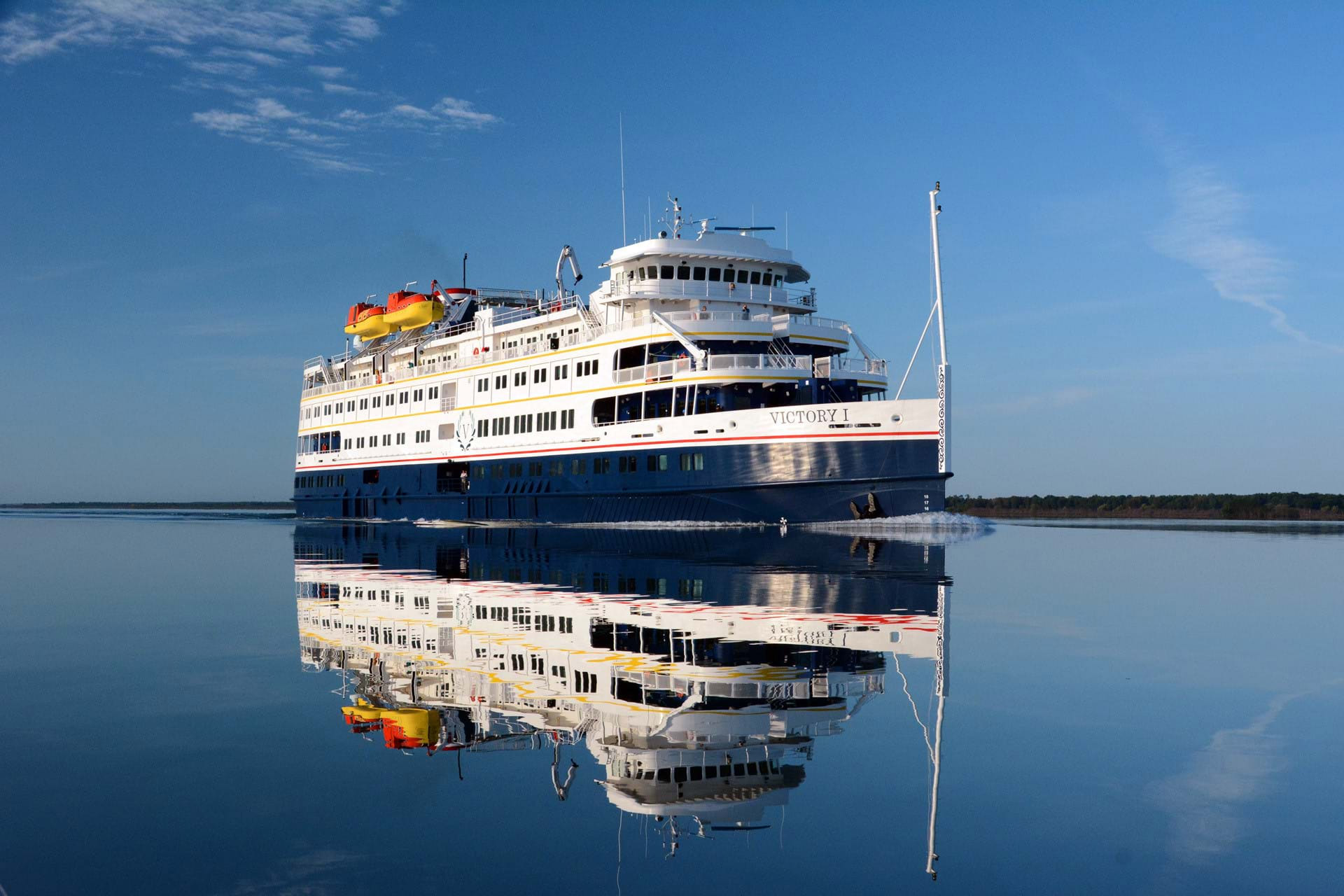
When the last glaciers melted more than ten thousand years ago, they left behind a fabulous legacy: the Great Lakes. Over the centuries, these huge inland seas—which contain more than one-fifth of the world’s standing fresh water—have fascinated humankind. Voyageurs and homesteaders, poets and storytellers, missionaries and mapmakers, Native Americans and pioneers have all been drawn to the timeless beauty of the region.
From the magnificent spectacle of Niagara Falls, to Mackinac Island’s Victorian charm. From rolling dunes and grand vistas, to miles of white sand beaches. From emerald green forests, to blazing sunsets that turn the watery horizon to flame, the journey awaits.
Recreational Boating
Boating on the Great Lakes is big business.
According to U.S. Coast Guard data, there are 4.3 million boats registered in the eight Great Lakes states. For the first time, this report documents the real economic impact of recreational boating in the Great Lakes region.
In 1999, Congress authorized a study of the economic breadth of recreational boating in the Great Lakes states. The purpose of the study was to identify the economic benefits of federally authorized recreational harbors for comparison to the cost of maintaining them, which primarily involves dredging. Congress directed the U.S. Army Corps of Engineers, which partnered with the Great Lakes Commission, to carry out the study. Michigan State University’s Recreational Marine Research Center was brought in to help with the research.
The study showed that the Great Lakes states are a recreational boating powerhouse, with nearly one third of all registered boats in the United States. Spending on boats and boating activities in the Great Lakes states totaled nearly $16 billion in 2003, directly supporting 107,000 jobs. With secondary effects figured in, that number grew to 244,000 jobs, with economic impacts of $19 billion in sales, $6.4 billion in personal income and, $9.2 billion in value added.
Beneficiaries of this activity included manufacturers, retailers, marinas, restaurants, lodging accommodations, charter operators and other businesses largely concentrated near docking facilities. Recreational harbors also support other functions such as hosting Coast Guard stations and serving as harbors of refuge for vessels in distress.
In addition, recreational harbors are a key element in restoring former waterfront industrial areas, providing a key anchor for new, upscale developments along the Great Lakes.
This Is Cleveland
Downtown Cleveland
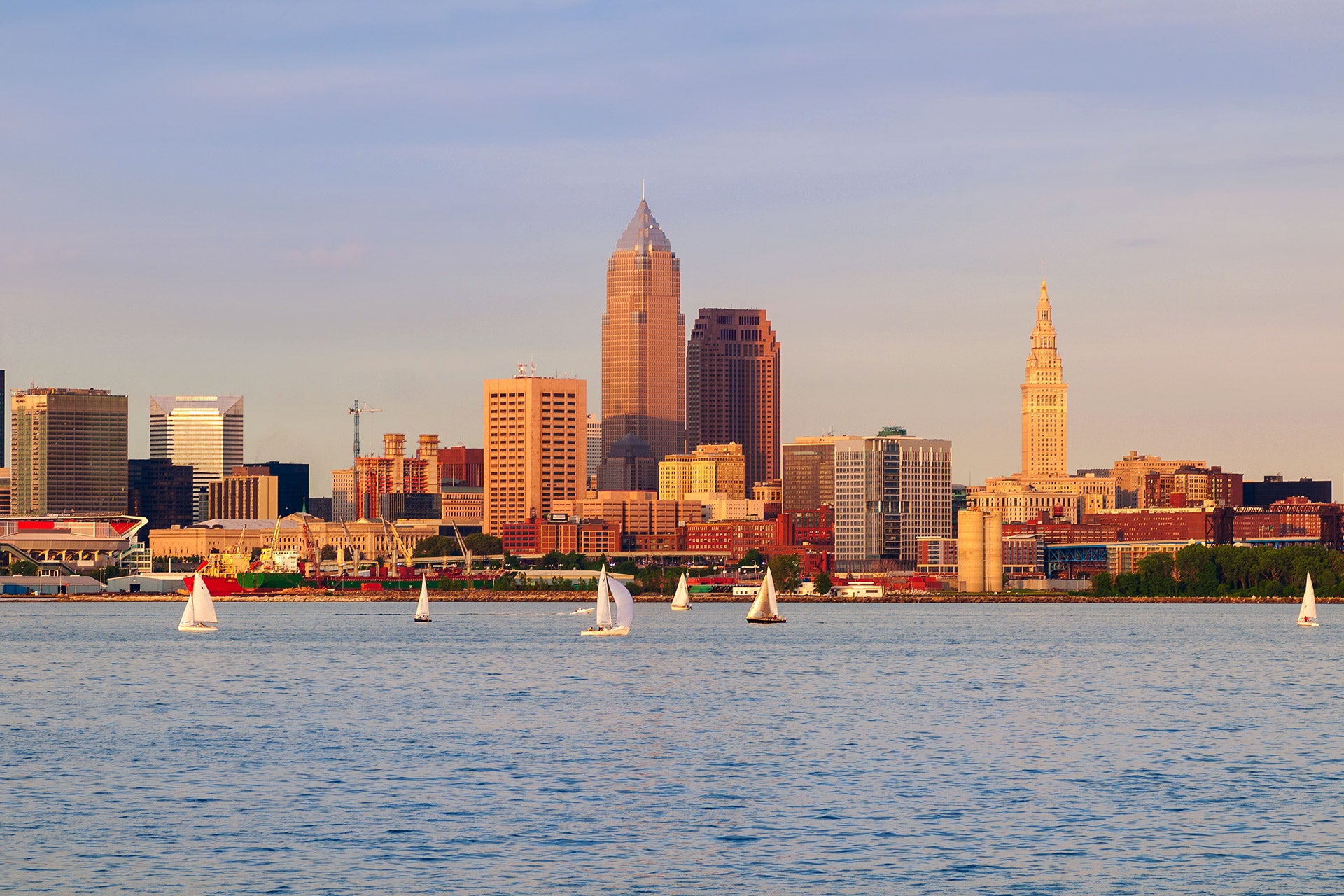
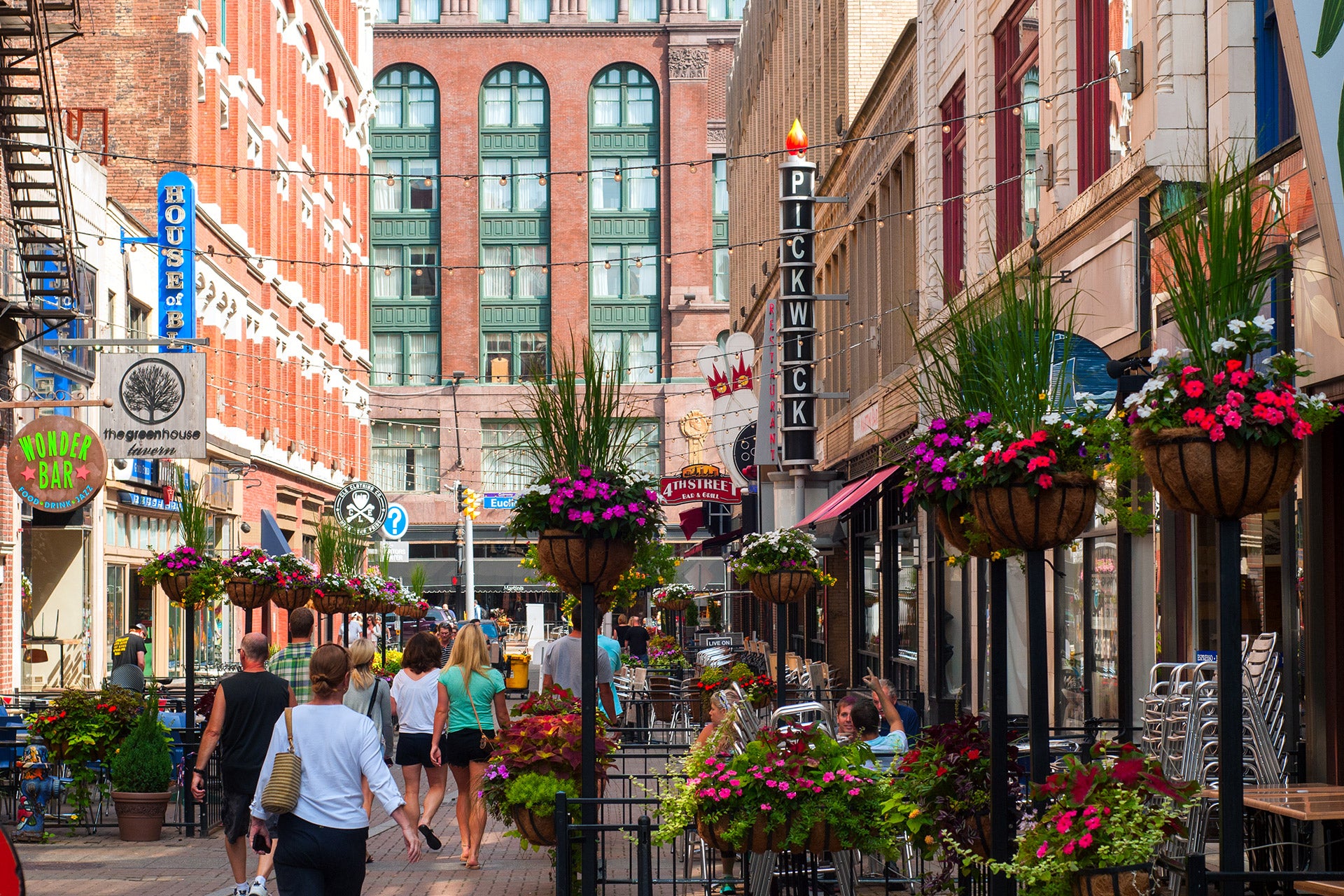
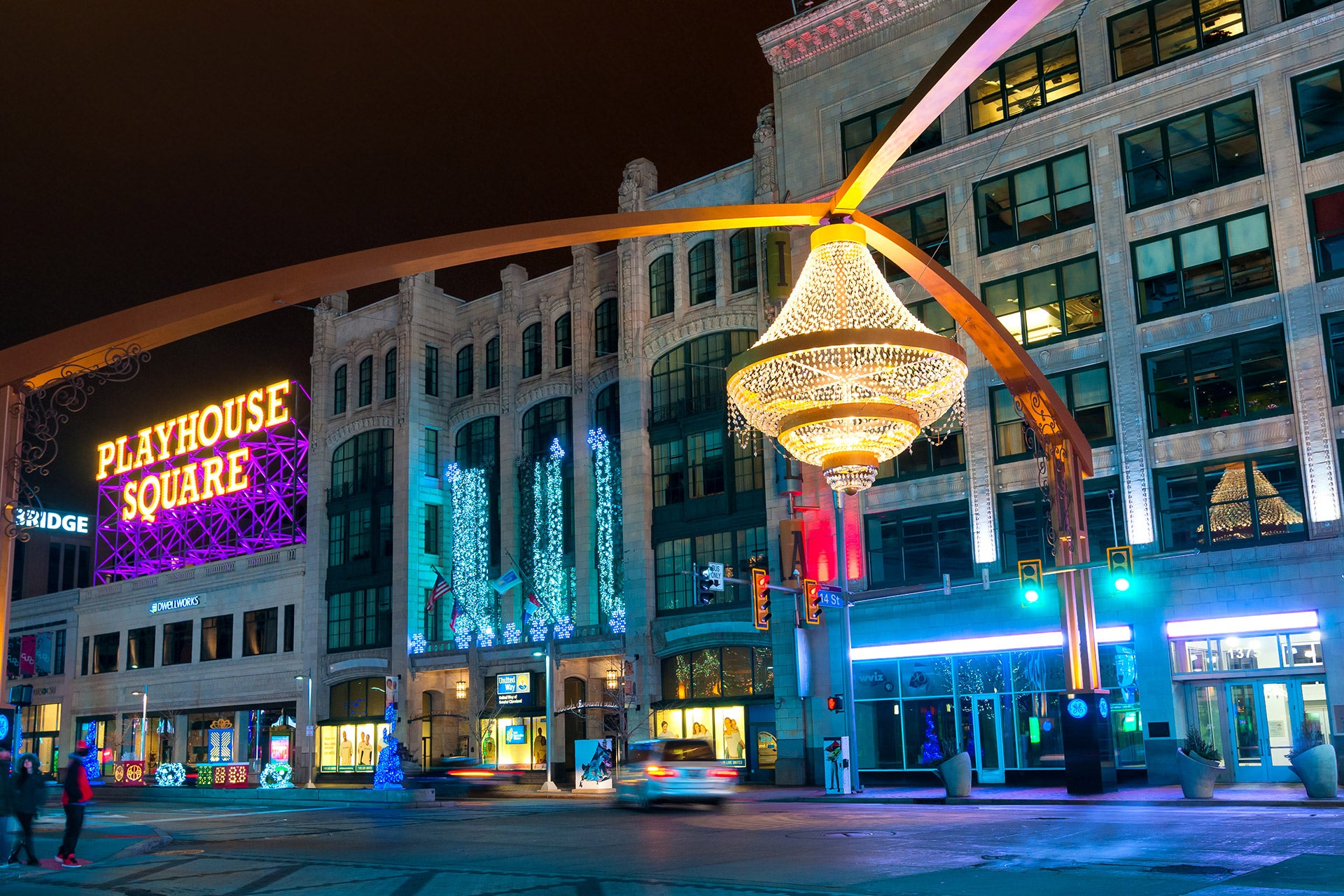
The rejuvenated energy reverberating through Downtown Cleveland’s historic districts, pouring out from its stadiums, glistening along the Lake Erie shoreline and mingling among skyscrapers and historic buildings is worth the visit alone. Downtown Cleveland is buzzing with nightlife, restaurants, attractions and hotels.
Neighborhoods
What makes a city unique? In Cleveland, we believe it’s the very people who jaunt along our bustling avenues, welcome you from behind the counters of mom-and-pop joints, showcase decades worth of hand-crafted art, and shuffle the cold draft beer your direction. Find these people in the very neighborhoods in which they live — places that boast the best food and nightlife in the city.
Suburbs
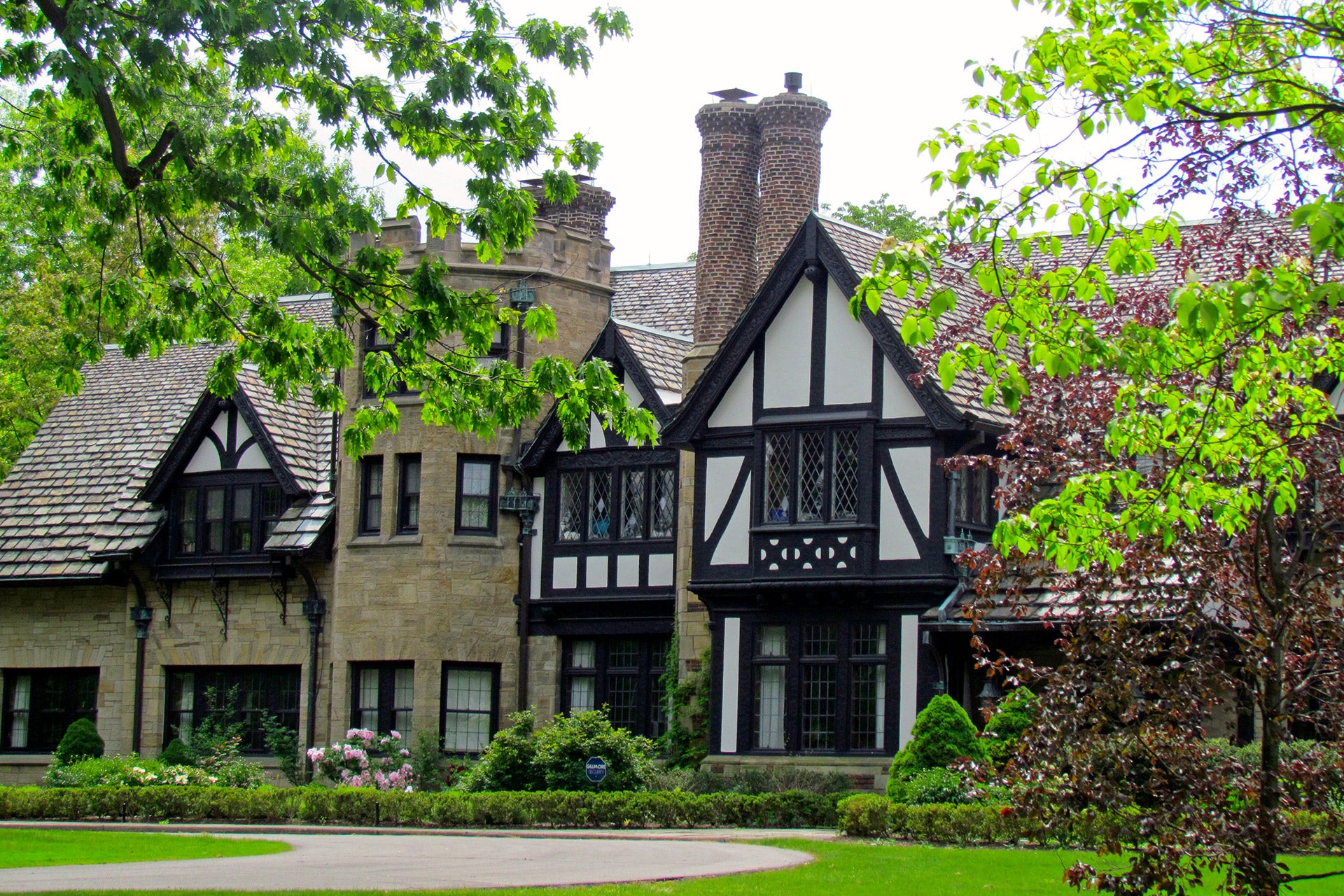
Our ‘burbs aren’t the kind of places you’ll find in Anytown, USA. Unless, of course, it’s standard for most suburbs to come complete with a national park, award-winning chefs, Lake Erie beaches and miles of interconnected bike trails. This is what happens when you’re not trying to be something you’re not.
Cleveland Region
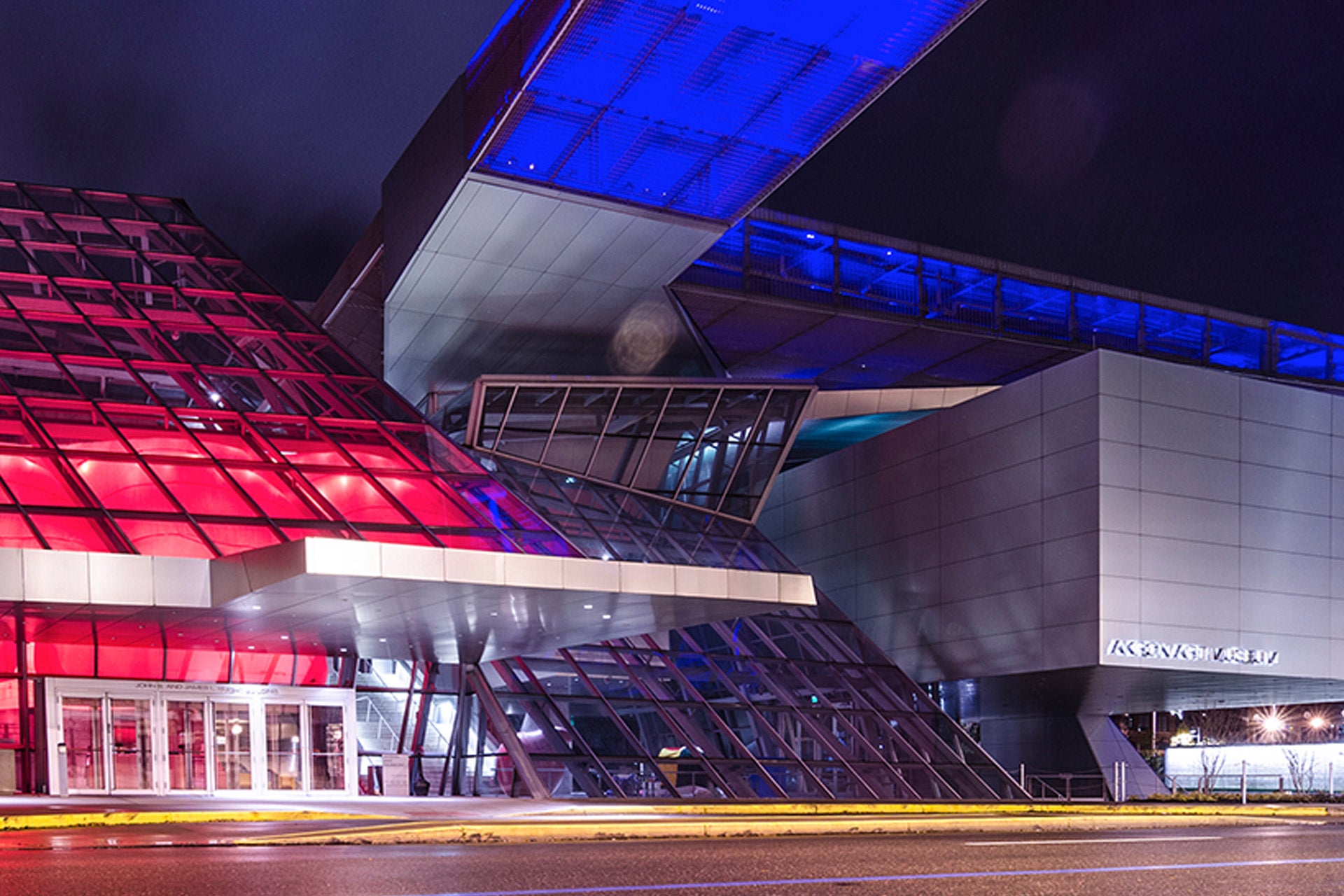
From the rush of one of the fastest roller coasters in the world to the serene calm of sipping wine at a vineyard on a Lake Erie, the region just outside our doorstep will level-up your Cleveland experience.
Safety Guidelines
Recreational Vessels
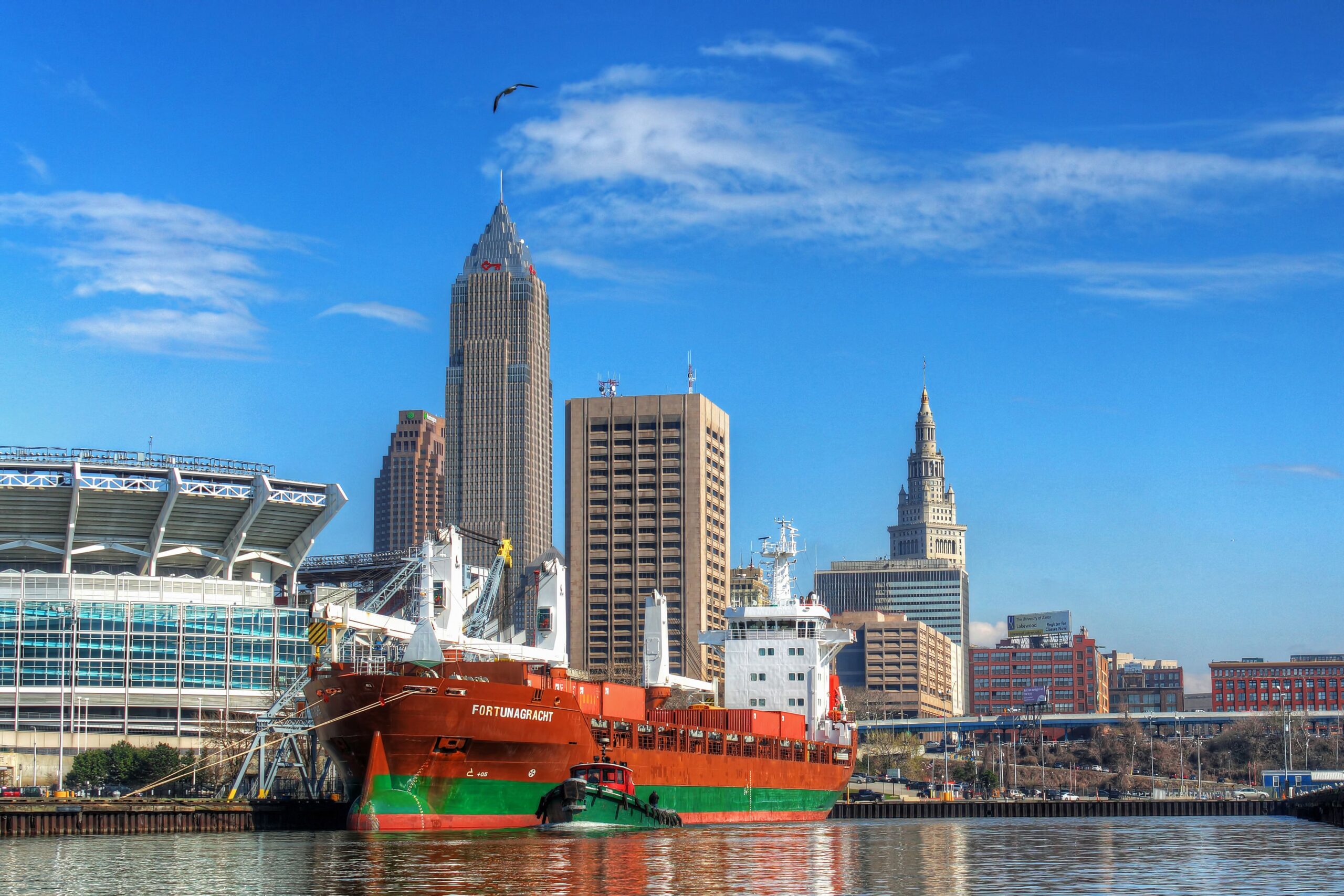
Thinking of going out to recreate on Cleveland’s Lake Erie Harbor or the lower six miles of the Cuyahoga River? There are a few things you can do BEFORE you hit the river/lake to ensure you have a fun and safe time.
Get yourself an app that tracks large boat traffic on the river. We use Marine Traffic (available for $3.95). FindShip is a less robust app that’s available for free. Before you venture out on the river, check the app to ensure you won’t be sharing a narrow body of water with a vessel that’s as long as the Terminal Tower is tall. And consider purchasing a floating waterproof pouch for your phone so you can monitor the app & take pictures while you’re on the water!
Familiarize yourself with the Paddle Safe Brochure that Cuyahoga River Restoration put together with members of the Cuyahoga River Safety Task Force.
Check out the below videos to better understand the unique challenges maritime faces when sharing a narrow body of water with recreational boaters (both human and motor powered). The Cleveland Harbor and last 6 miles of the Cuyahoga River are Federal Navigation Channels so there are specific rules of the road and safety requirements. The 6 minute Cleveland Water Safety Video, another joint effort by the Cuyahoga River Safety Task Force, is a must watch.
Download and read ODNR’s Ohio Boaters Guide.
When you’re out on the water, your ears are as important as your eyes. If you hear the horn of a bridge (NS1, Center Street (Red), Carter Road (Blue), Columbus Road (Green) signaling the start of a lift, know that lift is happening because something BIG is coming through! If you hear a horn blast from a freighter, take immediate action, i.e. get out of the way as fast as possible. Five short horn blasts mean danger!
If you’re near a freighter in a turn, you are in the wrong place and you ARE in danger. Prop wash from bow & stern thrusters can capsize a boat or push you into a hazardous location. If you find yourself in a turn with a freighter, you MUST listen to the crew on the ship for direction on what you need to do. Well meaning bystanders on shore may also shout directions – listen to the ship crew. See video below.